
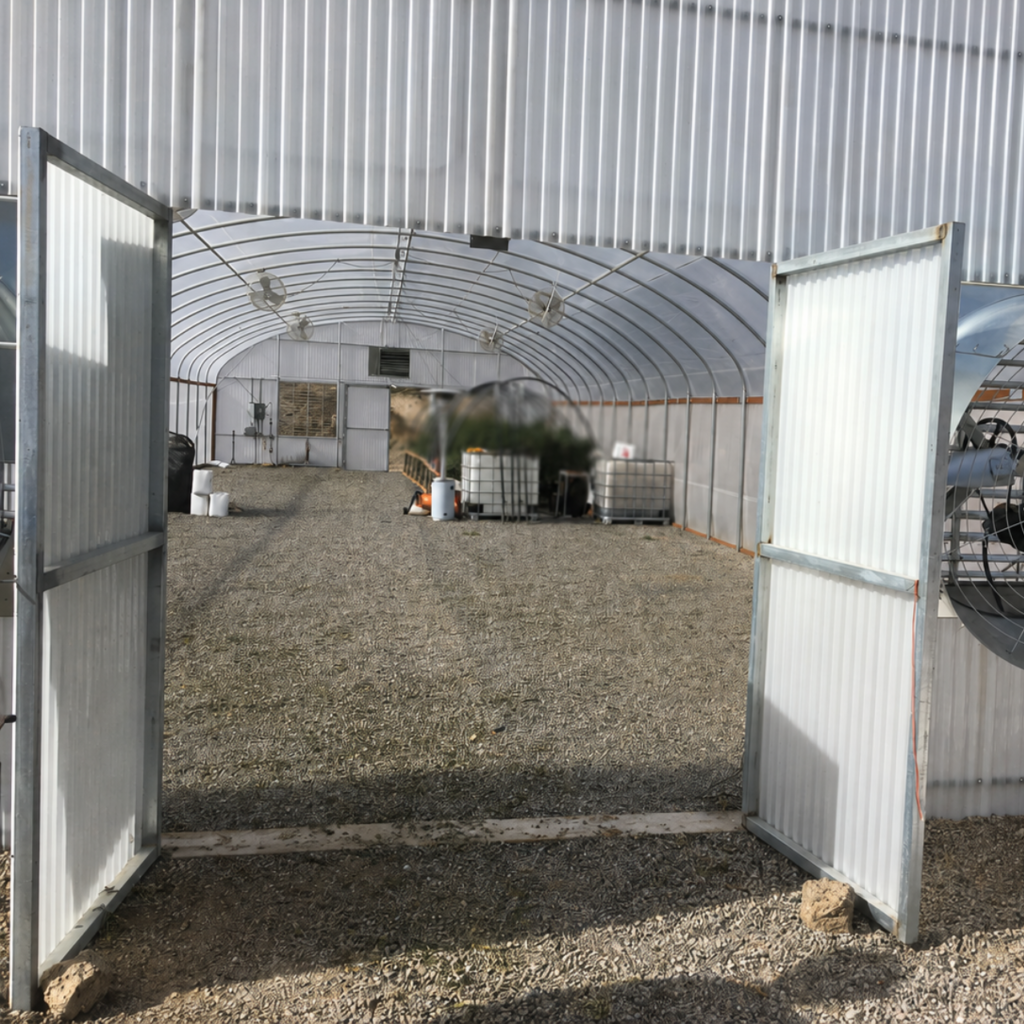
Gravel installation is the construction of stone surfaces that carry weight and shed water: driveways, parking areas, access roads, and the pads that sheds and greenhouses sit on. Done properly, it means layers, compaction, and shape, not just a delivery truck and a rake. The difference decides whether a surface lasts three years or thirty.
Gravel is the most misunderstood surface in New England, dismissed as the cheap option by people who have only met it built badly. This guide covers every kind of gravel installation a property can use, what each one is, and what separates the surfaces that survive mud season from the ones that become it. It is the same work our Central Massachusetts gravel installation and driveway services build all season long.
What Makes a Gravel Installation Last?
Every good gravel installation is three layers, in order. The subgrade is the prepared ground itself: topsoil stripped, the remaining soil shaped and compacted, and geotextile fabric added where soft ground would otherwise swallow stone. The base is several inches of large crushed stone that carries the load and passes water down and away. The surface is finer crushed gravel with fines that lock under compaction into a firm crust, crowned so rain sheds to the edges. Every gravel installation failure you have ever seen, the ruts, the potholes, the mud that eats stone by the ton, traces back to one of those three layers being skipped or shortchanged.
Gravel Driveway Installation
The driveway is where gravel installation proves itself, because a driveway meets every enemy at once: daily traffic, concentrated turning loads, roof and yard runoff, snow plows, and frost. A properly built gravel driveway handles all of it and holds one advantage no paved surface can match in this climate: it flexes with freeze-thaw instead of cracking, and a grading pass pulls it back to true. New gravel installations are built in the full three layers on prepared ground; the crown, the compaction, and the locked surface crust are what make the difference between a driveway and a long thin gravel pile. For a deeper look at this side of the work, see our full guide to gravel driveway installation.
Driveway Extensions & Widening
One of gravel installation’s quiet strengths is that it extends seamlessly. A turnaround, a second lane, a parking bump-out, or a widened approach ties into the existing driveway with no seam, no cold joint, and no color mismatch once the surface weathers in, provided the new section is built with a matching base rather than just spread over lawn. Extensions solve daily-life problems that fully paved driveways price out of reach: the backing-into-the-road ritual, the two-car shuffle, the trailer with nowhere to live. Built right, the addition is indistinguishable from the original within a season. For a deeper look at this side of the work, see our full guide to driveway extensions in Central Massachusetts.
Gravel Parking Areas
Parking concentrates weight in the same spots day after day, which makes the base layer matter even more than it does under moving traffic. A gravel parking area is engineered for what actually parks there: a family car asks little, a loaded work truck or camper asks a lot, and equipment asks the most. Proper gravel installation sizes the base to the load, pitches the pad so water never ponds under parked tires, and defines the edges so the area keeps its shape instead of bleeding into the lawn. The payoff is the cheapest usable square footage a property can gain. For a deeper look at this side of the work, see our full guide to gravel parking areas.
Stone Access & Farm Roads
An access road is a gravel installation stretched over distance and terrain, and distance changes the rules. Route selection does as much work as construction: following high ground, respecting how water crosses the land, and armoring the wet spots with the right material instead of hoping they firm up. A good stone road is a gravel installation crowned like a driveway, drained at every low point, and built to carry trucks and machines in the seasons when the ground around it cannot. The test of a farm road is not July; it is March, and roads built in proper layers pass it every year. For a deeper look at this side of the work, see our full guide to stone access roads.
Shed & Outbuilding Pads
Buildings move when the ground under them moves, and small buildings are moved easily. A gravel pad holds a shed or outbuilding level through freeze-thaw by giving it a compacted, free-draining base that frost cannot get leverage on. Proper gravel installation for a pad strips the organic soil, excavates to firm subgrade, rebuilds in compacted structural stone, and finishes level with just enough pitch to drain. That subgrade step is excavation and trenching in miniature, and it decides everything stacked above it. The gravel installation typically extends beyond the building footprint so roof runoff lands on stone instead of carving a moat. Many shed manufacturers require exactly this construction for their warranties, which says everything about how often its absence is the problem. For a deeper look at this side of the work, see our full guide to shed pad installation.
Greenhouse Pads
A greenhouse pad is a precision version of the shed pad. Frames want a truly level base, growing operations produce watering runoff all year, and the floor needs to stay firm and workable in every season. Compacted gravel answers all three, which is why growers put hoop houses and glass houses on stone. Gravel installation to the frame manufacturer’s spec, with free-draining depth and contained edges, turns a greenhouse from a seasonal experiment into working infrastructure. On larger growing properties, pads pair naturally with the access roads and parking that make the operation run. For a deeper look at this side of the work, see our full guide to greenhouse pad construction.
Gravel Resurfacing & Top-Ups
Gravel surfaces spend their top layer slowly: fines dust away and wash off, stone migrates to the edges, and after a few years the surface thins toward the base. Resurfacing is gravel installation’s renewal cycle, and timing is everything. A top-up applied while the base is sound bonds new surface material to old with grading and compaction, and the job is quick. Wait until the base is breached and the same driveway needs reconstruction instead. The difference between the two is a season or two of procrastination, which makes resurfacing one of the best-timed investments in property maintenance. For a deeper look at this side of the work, see our full guide to gravel driveway resurfacing.
Stone Surface Improvements
The same materials and standards solve smaller problems all over a property: a firm path to the wood pile, a dry stone strip along a foundation where grass will not grow, a mud-free dog run, a clean floor under a deck, a defined edge where lawn meets treeline. These improvements ride along naturally with larger gravel installation projects since the machine and material are already on site, and they routinely eliminate the muddy, messy corners a property owner has stopped seeing. If a spot stays wet, bare, or ugly year after year, there is usually a stone answer.
In Massachusetts, Watch Out for These
New England conditions shape every gravel installation decision. Freeze-thaw is the headline: it cracks rigid pavement but merely flexes gravel, which is why stone surfaces suit this climate so well when built in compacted layers. Mud season is the annual exam, and surfaces without a real base fail it every spring. How much water reaches the stone at all comes back to drainage and grading, which is why the two are planned together. Material matters more than most owners know: crushed angular gravel with fines locks into a crust, while rounded bank-run stone never locks at all. And access roads that cross or approach wet areas can fall under the state Wetlands Protection Act, which regulates work within 100 feet of wetlands, so route planning starts with a wetlands check. Our gravel installation team plans around all four on every job.
Frequently Asked Questions
What is the difference between gravel installation and just spreading gravel?
Gravel installation builds a structure: prepared subgrade, a compacted stone base, and a locked surface layer with a crown. Spreading gravel puts loose stone on unprepared ground, where it ruts, scatters, and sinks within a couple of seasons. The material looks similar; the results are not.
What gravel should be used for a driveway or pad?
Crushed angular gravel with fines, often sold as dense-grade or three-quarter-inch minus, because the fines lock the stone into a firm crust under compaction. Rounded pea stone stays loose forever, which makes it wrong for driveways and right for drainage.
Is a gravel driveway better than asphalt in New England?
Each has a place, but a proper gravel installation holds two regional advantages: it flexes through freeze-thaw instead of cracking, and it renews with grading instead of requiring replacement. Steep, short suburban driveways can favor asphalt; rural and semi-rural properties usually favor gravel.
How big should a shed pad be?
Slightly larger than the building, typically extending a foot or more past the footprint on each side, so roof runoff lands on stone rather than digging a trench around the structure. The pad should be leveled to the manufacturer’s spec and pitched subtly to drain.
Do access roads near wetlands need permits in Massachusetts?
They can. Work within 100 feet of a wetland, pond, or stream falls under the Wetlands Protection Act and may need Conservation Commission review before construction. A wetlands check is part of responsible route planning for any farm or access road.
If your property needs a surface that works every season, our Central Massachusetts gravel installation and driveway services build it to last. Request a free estimate and we will walk the site with you.