
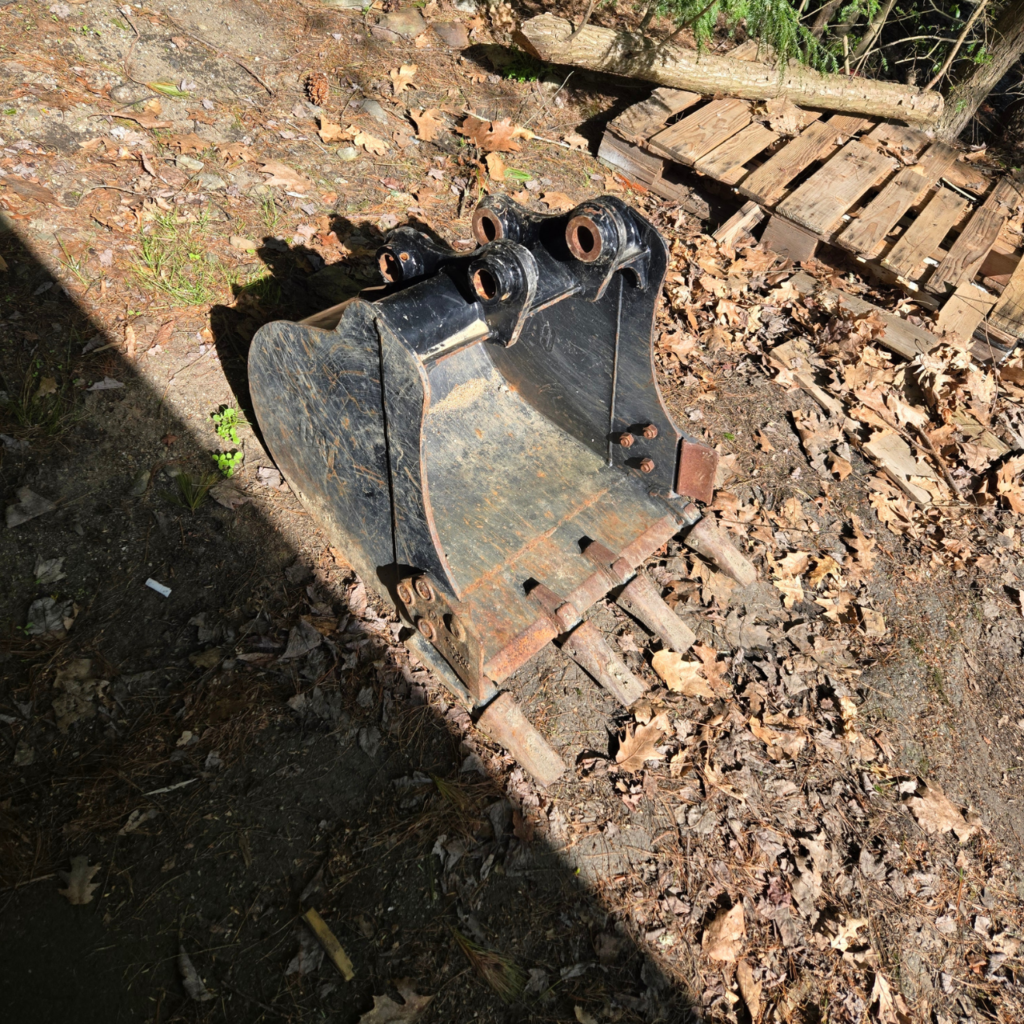
Residential excavation is any digging, earth-moving, or ground-shaping work done on a home property: making way for foundations, reshaping a yard, removing stumps, or preparing the ground for whatever gets built next. It is the first trade on site for most projects and the one every later trade depends on, because everything from a shed to an addition sits on ground that someone had to prepare. Most homeowners in Central Massachusetts only meet residential excavation once or twice, so this guide explains what it is, why it matters, and the kinds of projects that need it. It is the same work we do every week through our Central Massachusetts excavation and trenching services, explained in plain language.
This post is part of our excavation series. For the full picture of every type of dig, start with our pillar guide to what excavation and trenching is.
What Is Residential Excavation, Exactly?
Residential excavation is machine-scale digging done on home properties, sized for the realities of yards, driveways, septic fields, and neighbors. That last part matters. Excavating a house lot in Worcester, Grafton, or Shrewsbury is a different craft from open-field sitework: the machine works around a well line here, a fence there, a maple the owner wants kept, and a neighbor’s lawn nobody is allowed to touch. The equipment is chosen to fit the access, and the plan is built around what is already on the property, not just what is being added.
The scope runs wider than most people expect. A typical residential excavation job might include stripping topsoil and setting it aside for reuse, digging to a specified depth and grade, hauling away surplus material, and returning the site to a clean, workable state. The digging is often the fast part. The judgment, reading soil as it comes up, protecting what stays, leaving the ground exactly where the next trade needs it, is what separates careful residential excavation from a rough hole in the yard.
Everything built on ground inherits the quality of that ground. A foundation poured into a properly dug, properly compacted excavation stays level for decades. A patio, shed, or addition set on ground that was never prepared correctly settles, cracks, and pools water. The work is invisible in the finished project, which is exactly why it deserves attention up front: the mistakes are buried, and buried mistakes are expensive to revisit. In New England the stakes are higher still, because Central Massachusetts ground freezes deep, thaws wet, and moves more than homeowners realize. Good residential excavation accounts for how water will move through and around the dig, so the finished project sheds water instead of collecting it.
Foundation Excavation for Additions
A home addition begins as a hole dug to precise depth and grade. Foundation excavation has the tightest tolerances in residential work: the footing must sit below the frost line on undisturbed or properly compacted ground, square to the plan, with room for forms and drainage. The dig also has to respect the existing house, which means working close to a foundation without undermining it. This is the residential excavation work where precision matters most, because everything above the footing inherits its accuracy.
Shed and Garage Pads
Sheds, garages, and outbuildings need a level, compacted pad, and a pad is only as good as the ground under it. The work strips organic soil that would rot and settle, establishes a stable base, and leaves a surface that stays flat through freeze and thaw. A shed set on unprepared lawn racks out of square within a few New England winters; one set on a proper pad stays true for its whole life. The same preparation applies to greenhouse bases, dumpster pads, and any structure that needs the ground to hold its shape year after year.
Driveway Base Preparation
Every driveway, gravel or paved, begins with the base. Driveway base preparation strips the topsoil, establishes grade so water sheds off the surface instead of ponding on it, and builds a compacted foundation that carries vehicle weight without rutting. When a driveway fails early, the surface usually takes the blame, but the base under it is almost always the real culprit. In Central Massachusetts the freeze and thaw cycle punishes a weak base within a season or two, which is why the preparation stage deserves more attention than the surface material that goes over it.
Stump and Boulder Removal
After tree work, storm damage, or land clearing, what remains in the ground still has to come out. Stump and boulder removal digs out root balls and glacial stones, backfills the holes in compacted lifts, and leaves ground you can mow, build on, or replant. Skipping the backfill discipline leaves soft spots that sink for years as buried wood decays underground.
Yard Regrading
When a lawn holds water, slopes toward the house, or has become too uneven to use, yard regrading reshapes it. The work reads how water moves across the property, then cuts and fills until the ground carries runoff away from structures and toward safe exits. It pairs naturally with drainage work, and it is one of the most transformative kinds of residential excavation for an older Central Massachusetts property.
Contractor Support Work
Builders, pool installers, and septic crews often need the dig handled so their own work can begin. Contractor support work means arriving with the site plan, doing the cut to the specification the next trade needs, and staying available for backfill when their installation is done. On these jobs the excavator is the enabling trade: quality shows up in how smoothly everyone after can work. Narrow support digs for drainage lines and downspout piping fall here too, planned around marked utilities and closed up in compacted lifts when the line is in.
In Massachusetts, Watch Out for These
Dig Safe comes first, every time. Massachusetts law requires notifying Dig Safe at 811 at least 72 business hours before any mechanized digging, not counting weekends and holidays, even on your own property. Utility lines get marked, and the residential excavation plan works around them. A professional contractor files this as part of the job.
Frost depth shapes everything here. The Massachusetts frost line sits at 48 inches, which is why footings, water lines, and anything that must survive winter gets dug below it. Shallow work that ignores frost heaves, tilts, and cracks by spring. Ledge and boulders are the other local reality: much of Central Massachusetts sits on granite, and an experienced local operator knows how to read the ground and adjust the plan when the bucket finds rock. Finally, wet or protected areas may fall under the Wetlands Protection Act, which restricts digging near streams, ponds, and marshy ground, something worth checking before planning work near water.
Frequently Asked Questions
What counts as residential excavation?
Any machine digging or earth-moving on a home property: foundation and addition digs, shed and garage pads, driveway base preparation, stump and boulder removal, yard regrading, and support digging for other contractors. If the project changes the shape or depth of your ground, it falls under residential excavation.
Do I need Dig Safe for residential excavation on my own Central Massachusetts property?
Yes. Massachusetts law requires notifying Dig Safe at 811 at least 72 business hours before any mechanized digging, excluding weekends and holidays, even for homeowner projects on private land. The notification is free, utilities mark their lines, and a professional contractor files it as part of the job.
When is the best season for residential excavation in Central Massachusetts?
Late spring through fall is the working window for most digs, after the ground thaws and firms up from mud season. Frozen winter ground and saturated March soil both fight the machine. Planning conversations in winter put your project first in line when conditions open up.
What happens if the dig hits ledge or boulders?
Common in Central Massachusetts, where granite sits close to the surface in many towns. An experienced operator reads the ground as it comes up and adjusts the approach: working around boulders, removing what the machine can lift, and revising the plan if solid ledge appears where the dig needs to go.
How do I know what my project needs before digging starts?
Walk the site with a contractor before anything is scheduled. A good excavation contractor looks at access, slopes, water paths, and what stays versus what goes, then explains the plan in plain language. Estimates are free, so the conversation costs nothing but a walk around your yard.
The pattern across every kind of residential excavation is the same: the ground work happens first, disappears from view, and decides how everything above it performs. Homeowners who bring the excavation conversation into the planning stage get better results than the ones who call after a problem surfaces, because prevention is built into the dig instead of repaired after it. Our Central Massachusetts excavation and trenching team works across Grafton, Worcester, Shrewsbury, Northborough, and the surrounding towns, and estimates are always free. Request a free estimate and we will walk your property with you.