Central Massachusetts Excavation & Trenching

" D&M helped us with my yard clearing and leveling project. They cleared about 3000 square feet of trees and brush, expanding the yard in about two days. It was money well spent. I will be having them come back in the fall to level the yard with loom and plant grass. I like D&M because they are local, do good work, they responded very quickly and the pricing was very fair. I would highly recommend
Precision Site Work For Residential Projects
Whether you’re installing utilities, preparing foundations, or excavating around existing structures, we provide accurate excavation and trenching services designed to keep projects moving safely and efficiently.
- Residential Excavation
- Foundation & Addition Excavation
- Utility Trenching
- Water, Electric & Drainage Lines
- Excavation Around Existing Structures
- Stump & Boulder Removal
- Backfilling & Compaction
- Material Hauling
- Shed, Garage & Pad Excavation
- Contractor Support Work
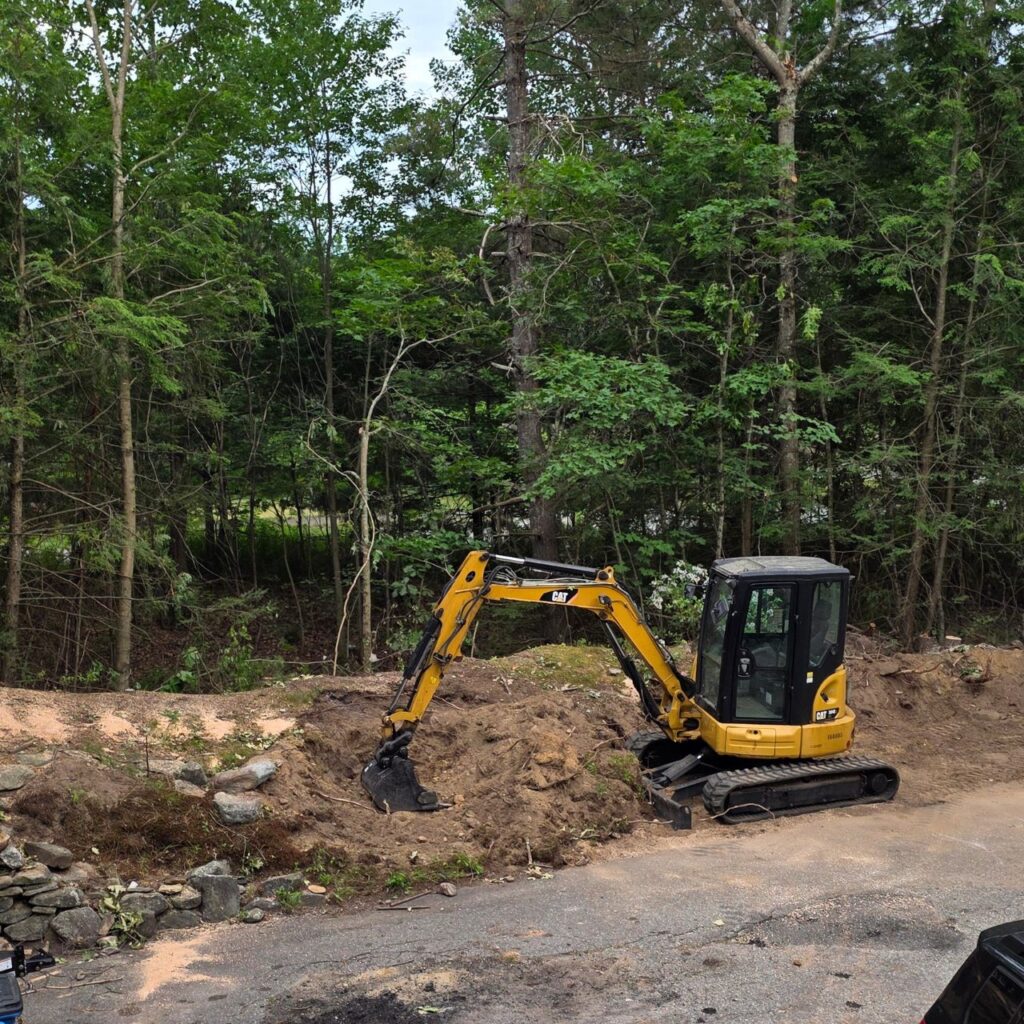
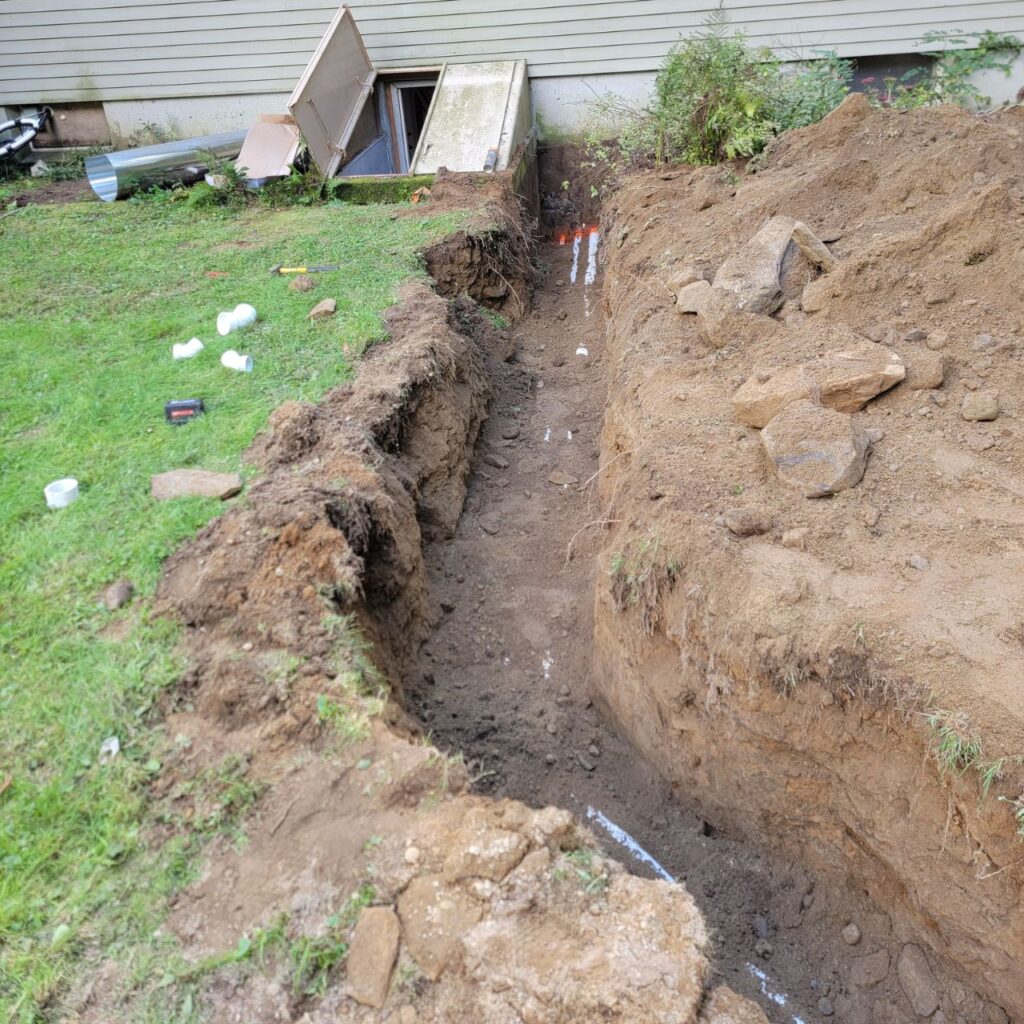
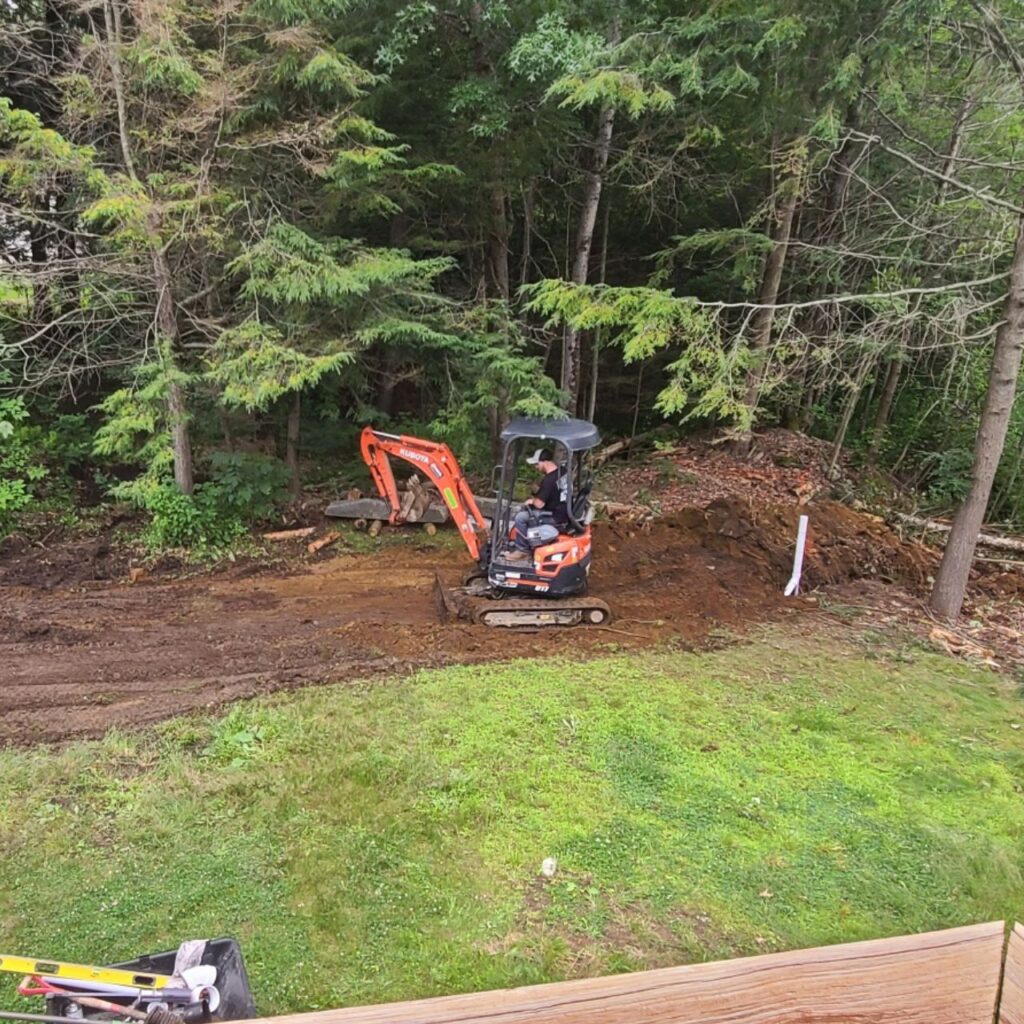
Excavation & Trenching
Central Massachusetts Excavation & Trenching Built On Precision
Excavation looks simple from the road: a machine, a bucket, a pile of dirt. What actually separates clean site work from expensive problems is precision. Digging to the right depth, protecting what is buried nearby, compacting what goes back in, and leaving grades that shed water instead of holding it. D&M Good Construction provides excavation and trenching throughout Central Massachusetts, including Grafton, Worcester, Shrewsbury, and Northborough, for homeowners and contractors who need dirt work done accurately, safely, and on schedule. Every dig starts with Dig Safe utility marking and ends with ground that is ready for whatever comes next.
Residential Excavation
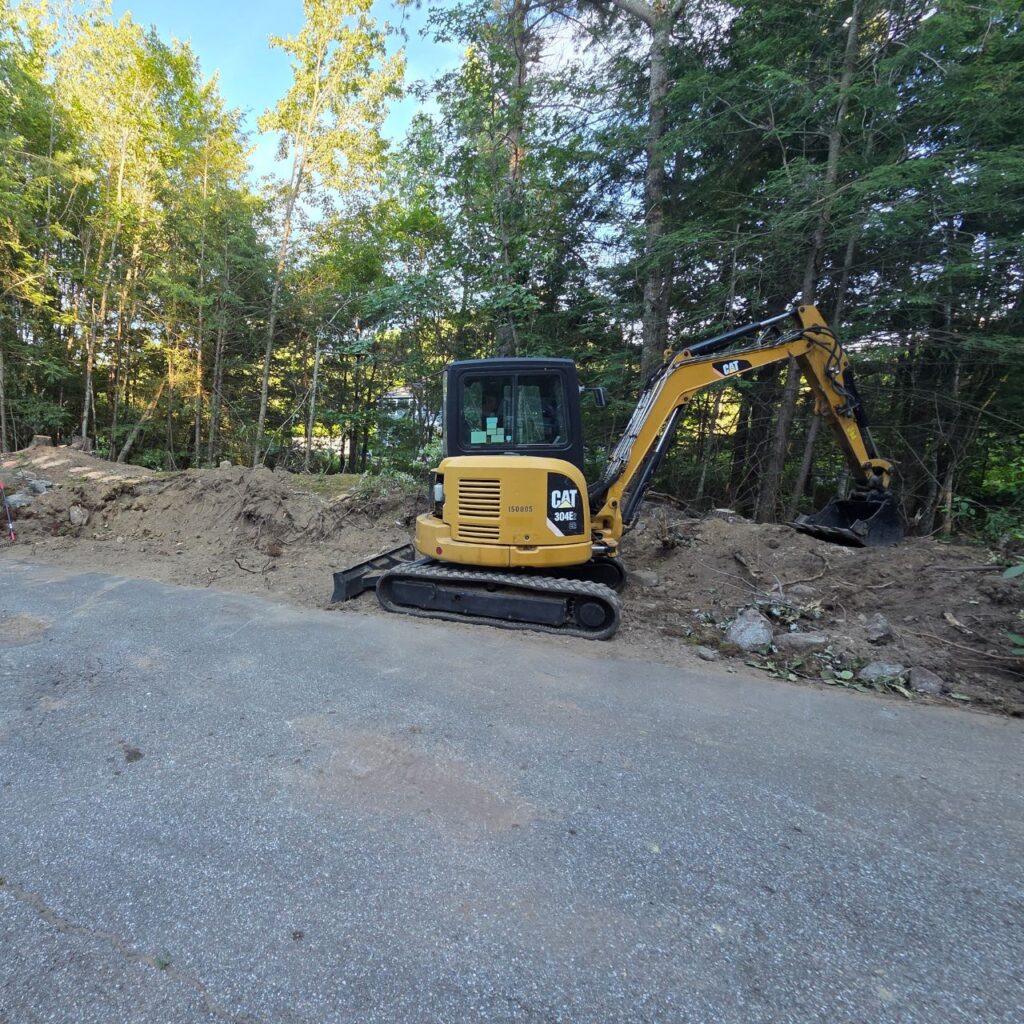
Residential excavation covers the digging that homeowner projects depend on: opening ground for new construction, cutting into slopes for retaining walls, removing unsuitable soil, and shaping land so the next phase starts on solid footing. Our equipment is sized for residential properties, which means we can work efficiently without tearing up the parts of your yard that are not part of the job. Every residential dig follows the same discipline: utilities marked before the first bucket, spoils managed so your property stays livable during the work, and finished grades that drain away from structures. Whether the project is a one-day dig or a full site, the standard is the same.
Foundation & Addition Excavation
A foundation is only as good as the hole it sits in. Foundation excavation means digging to precise depths and dimensions, protecting the integrity of the surrounding soil, and getting the base right so footings pour on firm, undisturbed ground. Additions raise the stakes: the new dig sits right beside your existing foundation, and protecting that structure while excavating next to it is exactly the kind of work where experience shows. In Massachusetts, footings need to reach below the 48-inch frost line, so these are real digs even for modest projects. We coordinate directly with builders and concrete contractors so the excavation is ready when they are.
Utility Trenching
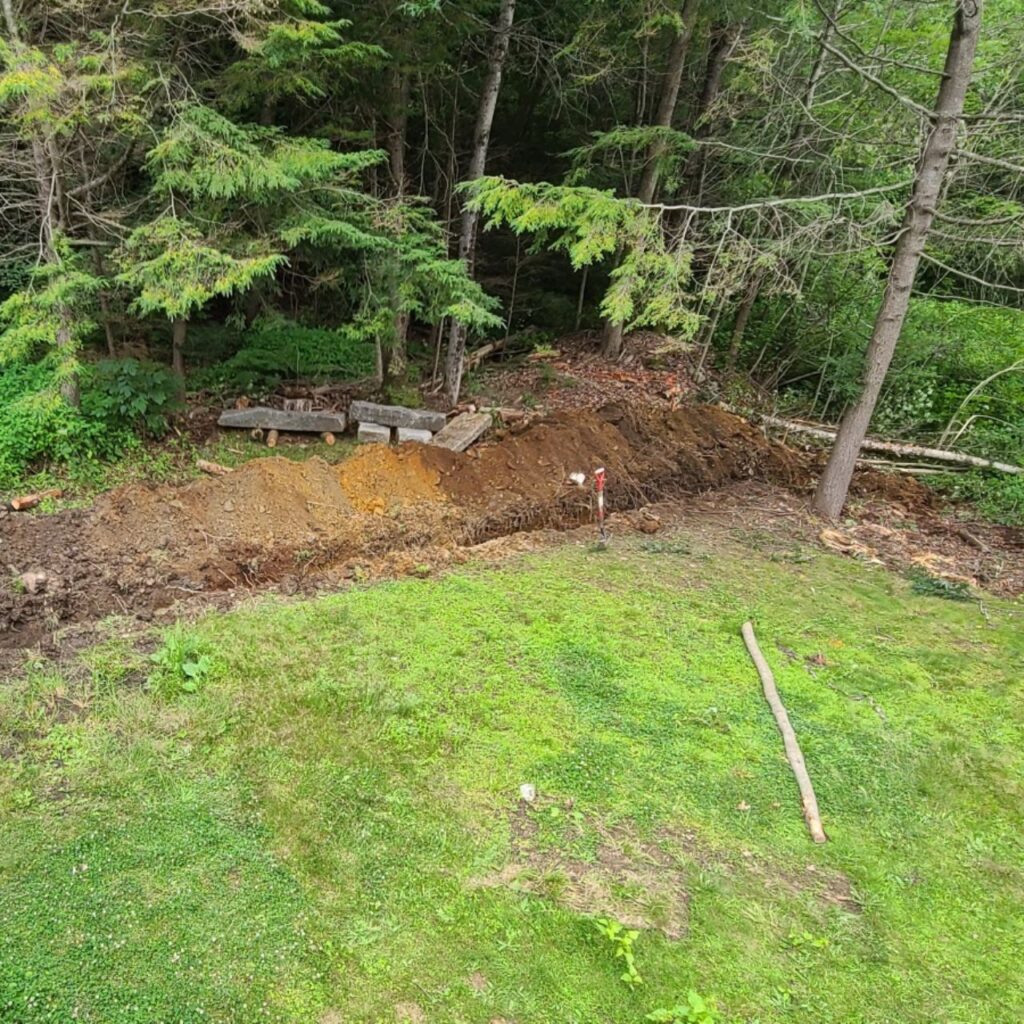
Utility trenching is precision work in a narrow space: straight lines, consistent depth, correct pitch where it matters, and clean bedding so the line inside survives for decades. We cut trenches for the full range of residential utilities and coordinate with the licensed plumbers and electricians who install and connect the lines. Every trench starts with Dig Safe marking, because the most dangerous thing in any trench job is the line nobody knew was there. When the work is done, trenches get backfilled in compacted layers, not just pushed full, so you never end up with a sunken stripe across the lawn a year later.
Water, Electric & Drainage Lines
Different lines make different demands on a trench. Water service has to sit below the frost line, which in most of Massachusetts means roughly five feet down, deep enough that this is machine work, not weekend shovel work. Electrical conduit has its own required depths depending on the installation. Drainage piping is shallower but lives or dies by pitch, because water only flows downhill if the trench does too. We dig each trench to the requirement of what goes in it, bed the line properly, and mark and photograph runs before backfilling so you know exactly where everything lives.
Excavation Around Existing Structures
Digging in open ground is one job; digging beside a house, over a buried line, or under a mature tree you want to keep is another. Tight-access excavation takes smaller equipment, slower passes, and an operator who understands what is at risk on every side of the bucket. This is some of the most requested work we do: exposing foundation walls, digging beside porches and additions, reaching backyards through narrow side yards, and working around septic components, utilities, and landscaping that has to survive the project. Careful is not slow when it is planned right; it is simply the difference between a clean job and a repair bill.
Stump & Boulder Removal
Central Massachusetts ground grows two crops reliably: hardwood stumps and glacial boulders. Both sit exactly where projects need to go. We remove stumps completely, roots included, where ground will be built on, because buried wood decays and leaves voids that become settling. Boulders that resist the bucket get dug around, lifted, or relocated, and the largest ones sometimes become landscape features instead of disposal problems. Every removal ends with the hole filled and compacted properly, so the spot where a stump or stone used to be never announces itself later as a dip in the lawn.
Backfilling & Compaction
What goes back into the ground matters as much as what came out. Backfilling around foundations, over trenches, and behind walls is done in controlled layers, with each layer compacted before the next goes in. This is the least visible step of any excavation and the one most responsible for how the work holds up. Fill that gets dumped and smoothed settles unevenly for years, cracking slabs, tilting walkways, and creating low spots that collect water. Fill placed in compacted lifts stays where it was put. It takes longer, and it is not optional on our jobs.
Material Hauling & Removal
Every dig produces material, and every project needs some brought in. We haul excess soil, stone, stumps, and debris off site, and we deliver gravel, fill, and loam when the project calls for it. Managing material well changes how a job feels: spoils staged so your driveway stays usable, trucks scheduled so the site is not buried in piles, and loads matched to what the next phase needs. For contractors, our hauling keeps sites clean between phases. For homeowners, it means the project ends with the property looking like the work was never there, except for the improvement.
Shed, Garage & Pad Excavation
Outbuildings need real ground preparation scaled to their size. A shed pad, garage base, or equipment pad starts with stripping the topsoil, excavating to firm subgrade, and building back up with compacted structural fill pitched to drain. Skipping that process is why so many sheds rack out of square and garage slabs crack within a few winters: the building moved because the ground under it did. We size the excavation and base to the structure and the soil, so the pad you build on this year is still flat and dry a decade from now.
Contractor Support Work
Builders, landscapers, plumbers, and concrete contractors bring us in when their projects need dirt moved by someone who shows up when promised and digs what the plan says. We support other trades with foundation digs, utility trenches, rough and finish grading, material handling, and machine work scheduled around their timelines. A reliable excavation sub keeps the whole project moving, and that reliability is the reason contractors who work with us once tend to call again. If you are a contractor with recurring site work needs in Central Massachusetts, we should talk.
Request A Free Estimate
Every project that touches the ground starts with getting the dirt work right. Whether you need a trench this week, a foundation dig next month, or a machine and operator your project can count on, we will walk the site, explain the plan, and give you a straightforward estimate. Request a free estimate today.
Common Questions
Here are some frequently asked questions about our Excavation & Trenching services.
What is the difference between excavation and trenching?
Excavation is the broad work of digging and moving earth for foundations, grading, and site preparation. Trenching is a specialized form of excavation: narrow, precise cuts for utility lines, drainage pipe, and conduit. Most projects involve both, and we handle them together.
Do you handle Dig Safe?
Yes, on every job that involves machine digging. Massachusetts law requires notifying Dig Safe at 811 at least 72 business hours before excavation, and utility marking is a standard part of how we schedule work. You never need to manage that step yourself.
How deep do utility lines need to be buried in Massachusetts?
It depends on the line. Water service must sit below the frost line, which is 48 inches in most of the state, so water trenches typically run about five feet deep. Electrical and drainage lines have their own depth and pitch requirements, and we dig each trench to the specification of what goes in it.
Can you excavate in tight spaces or close to my house?
Yes. Working beside foundations, through narrow side yards, and around trees, septic components, and landscaping is a regular part of our residential work. We size the equipment to the access and plan the dig around what needs to survive it.
What happens to the dirt you dig out?
Whatever the project needs. Suitable material is often reused on site for backfill and grading, and excess soil, stone, and stumps are hauled away. If the project needs gravel, structural fill, or loam brought in, we handle the delivery too.