Central Massachusetts Drainage & Grading

" D&M helped us with my yard clearing and leveling project. They cleared about 3000 square feet of trees and brush, expanding the yard in about two days. It was money well spent. I will be having them come back in the fall to level the yard with loom and plant grass. I like D&M because they are local, do good work, they responded very quickly and the pricing was very fair. I would highly recommend
Protect Your Property From Water Damage And Erosion
Standing water, erosion, and poor drainage can create costly issues over time. We provide drainage solutions designed to move water away from structures and improve the long-term performance of your property.
- Yard Drainage Corrections
- Standing Water Solutions
- Regrading & Slope Correction
- French Drains & Drain Piping
- Swales & Runoff Management
- Erosion Control
- Grading & Backfilling
- Driveway Drainage & Grading
- Downspout & Roof Runoff Routing
- Wet Area Reclamation
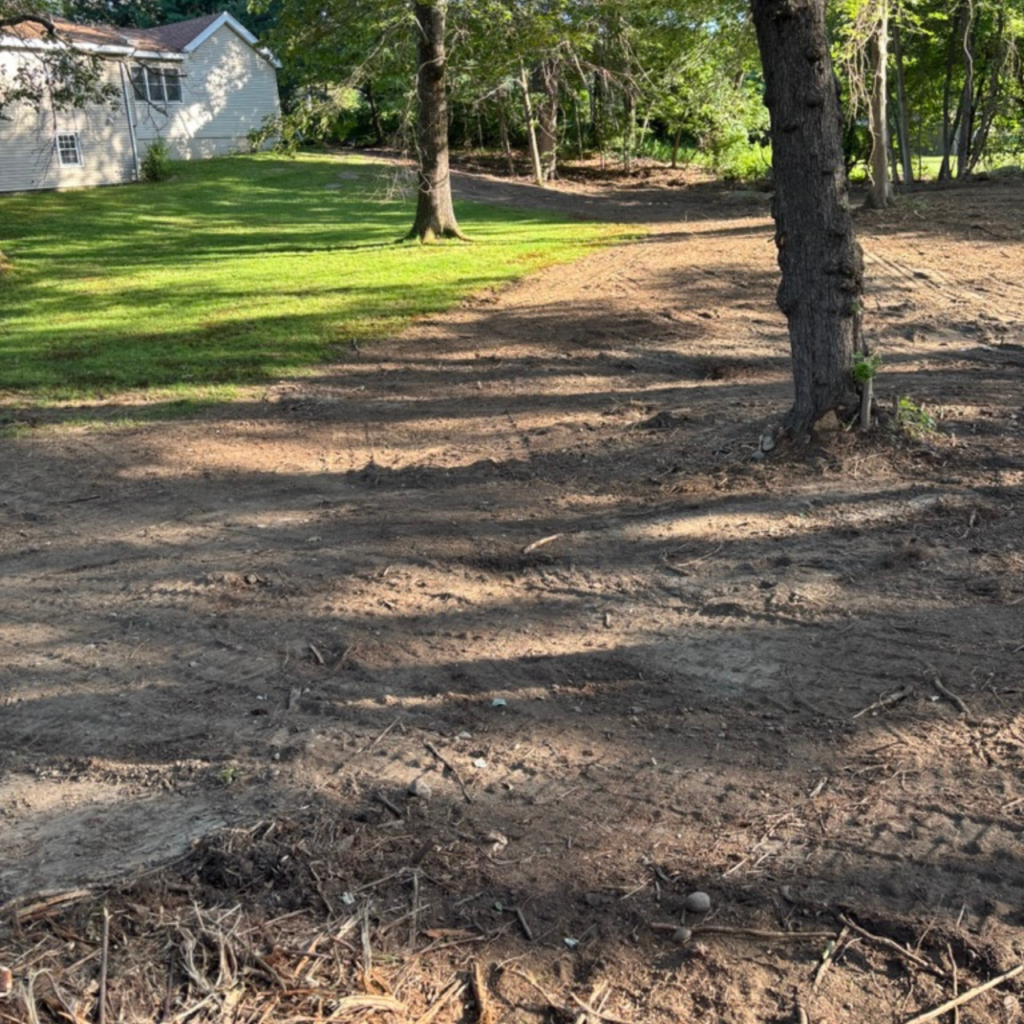
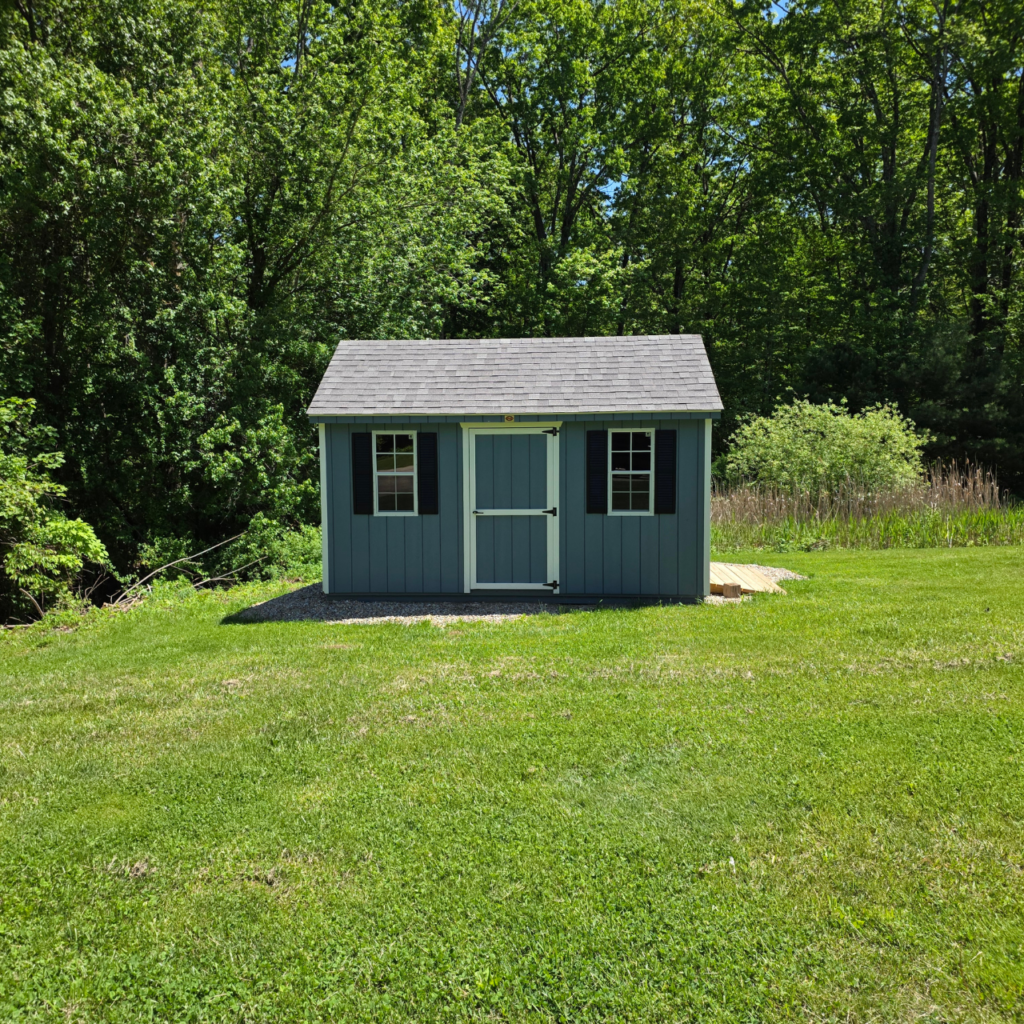
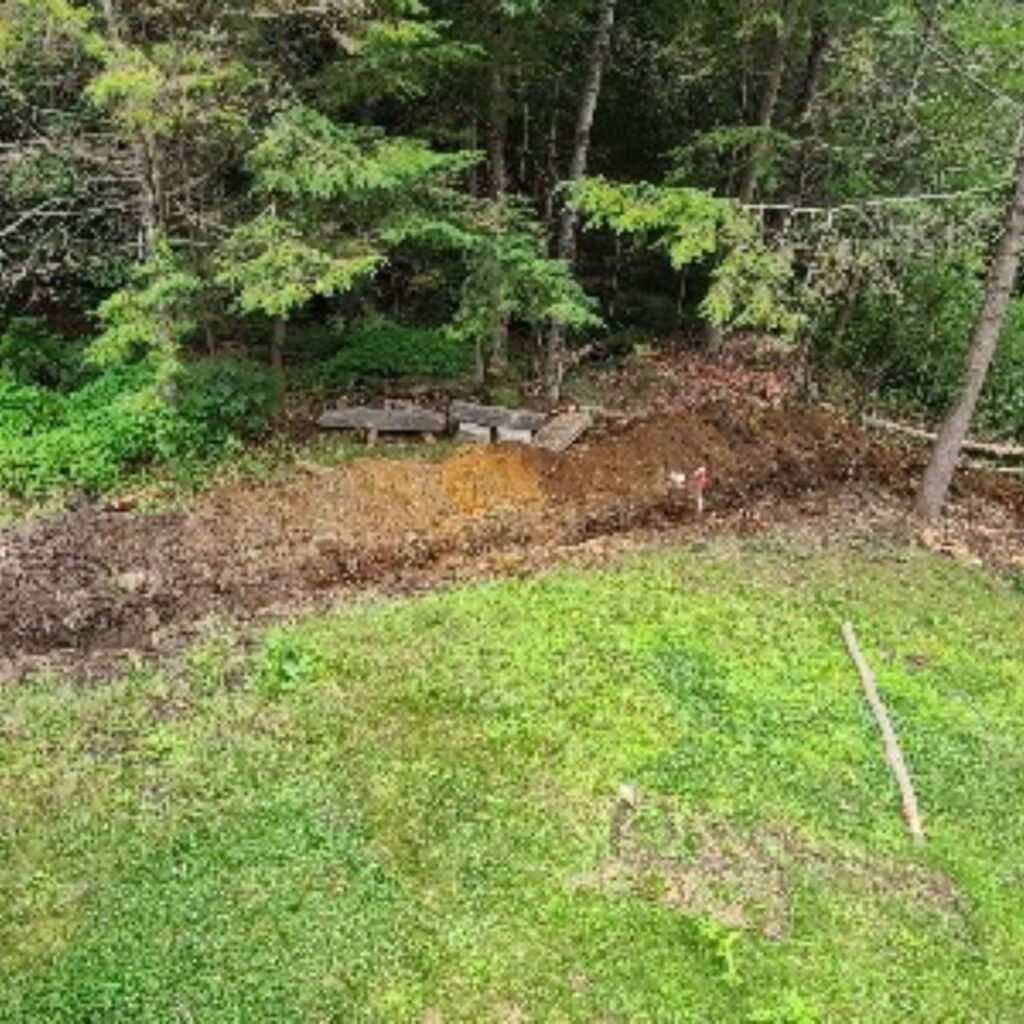
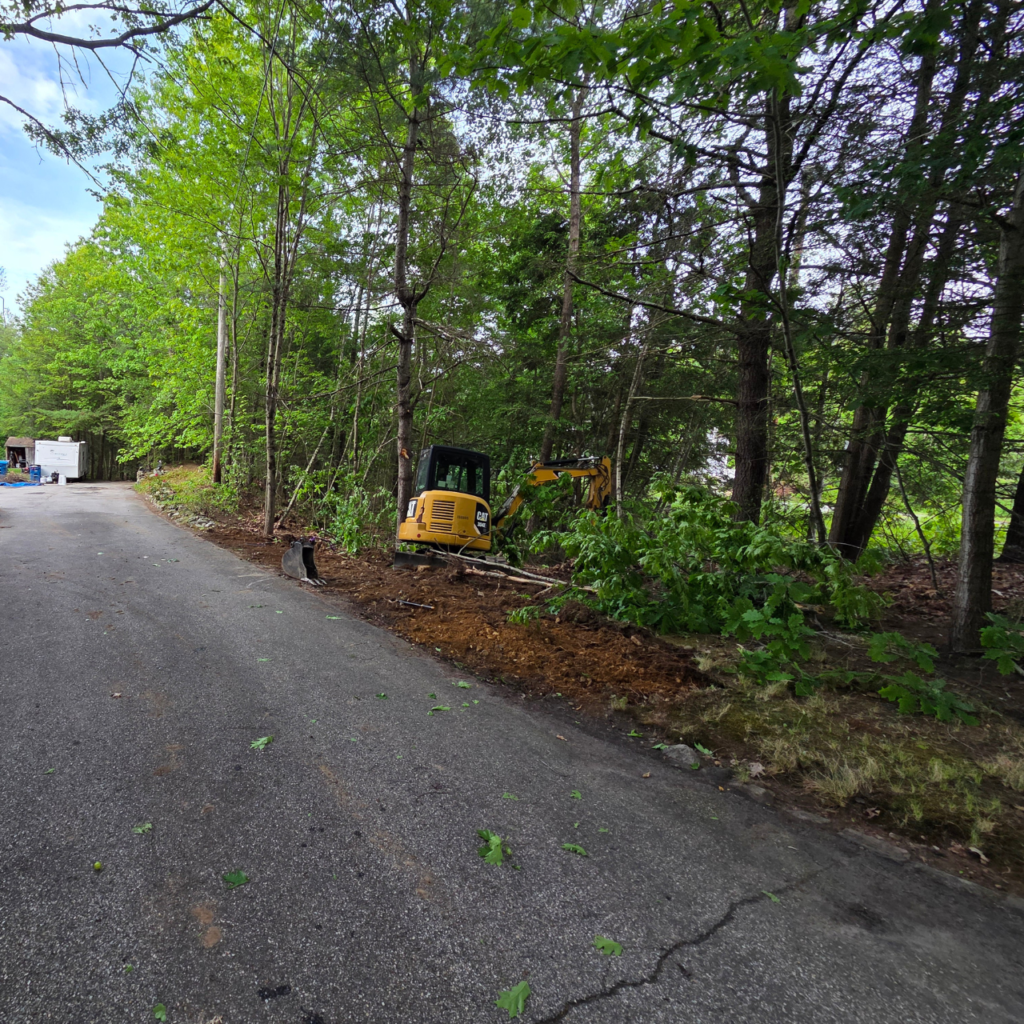
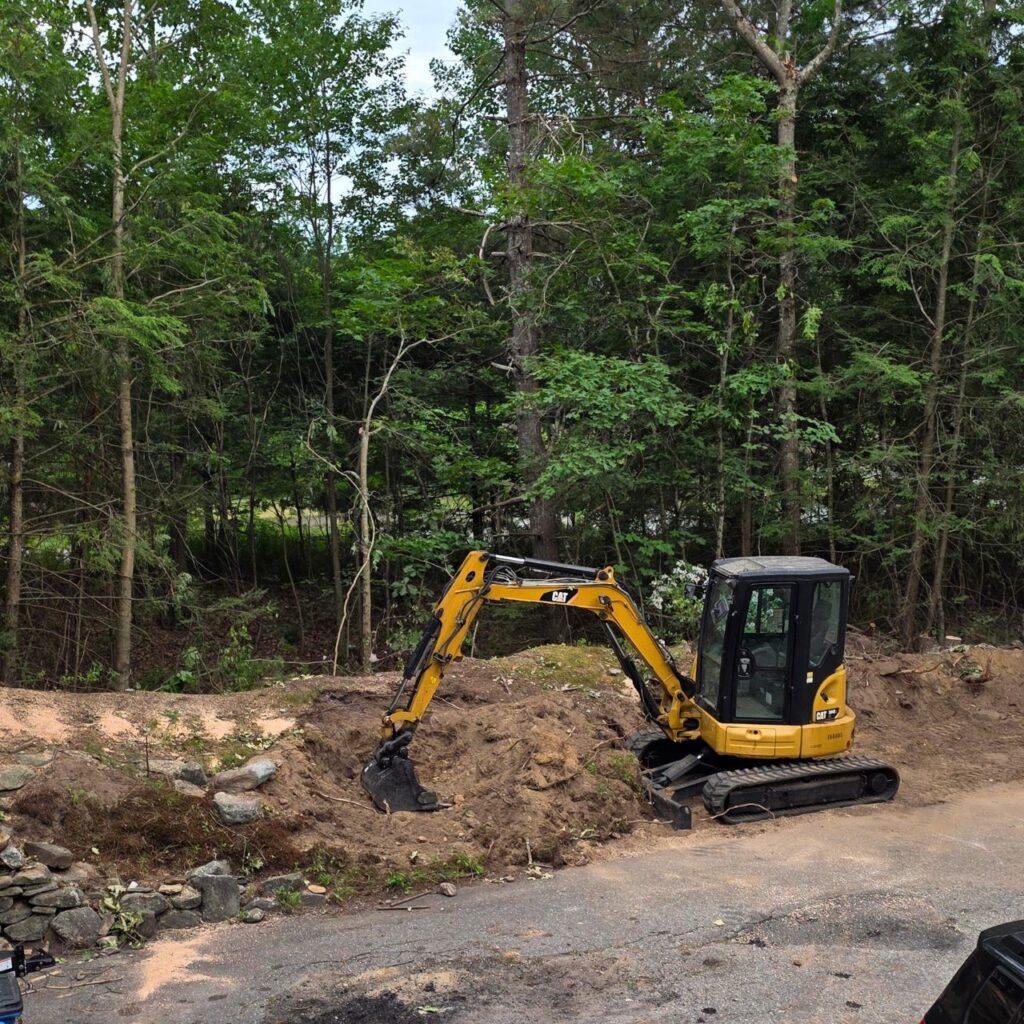
DRAINAGE & GRADING
Central Massachusetts Drainage & Grading Done Right The First Time
Water problems never stay the same size. A soggy corner becomes a flooded lawn, a flat spot near the foundation becomes a wet basement, and a small washout becomes a gully that swallows your mulch every spring. D&M Good Construction solves these problems at the source with professional drainage and grading throughout Central Massachusetts, including Grafton, Worcester, Shrewsbury, and Northborough. We start by reading how water actually moves across your property, then reshape the ground and install the right drainage so it flows away from what matters. Every solution is built for New England rain, snowmelt, and mud season, not just the next storm.
Yard Drainage Corrections
Most yard drainage problems come down to one thing: the ground is sending water somewhere it should not go. Sometimes the yard settled over the years. Sometimes it was never graded correctly to begin with. Either way, the symptoms are familiar to homeowners across Central Massachusetts: puddles that linger for days after rain, lawn that squishes underfoot into June, and grass that thins out in the same soggy patches every year. Our drainage corrections start with a diagnosis, not a product. We walk the property, find where the water comes from and where it gets stuck, and then fix the actual cause. That might mean reshaping a low area so it sheds instead of collects, opening a path so trapped water can escape, or intercepting flow before it reaches the problem area. The result is a yard you can use, mow, and trust after every storm. throughout Central Massachusetts, including Grafton, Worcester, Shrewsbury, and Northborough. We start by reading how water actually moves across your property, then reshape the ground and install the right drainage so it flows away from what matters. Every solution is built for New England rain, snowmelt, and mud season, not just the next storm.
Standing Water Solutions
Standing water is more than an eyesore. It drowns grass roots, breeds mosquitoes, rots fence posts, and slowly works its way into foundations, sheds, and driveways. It is also the clearest signal a property can send: water is arriving here faster than it can leave. We solve standing water by giving it somewhere better to be. Depending on the site, that can mean regrading the area so it drains naturally, cutting a swale to carry water away on the surface, or collecting it and piping it to a safe outlet. What we never do is treat the symptom while ignoring the source. A dry well placed in the wrong soil or a drain with no outlet just moves the problem underground. Our fixes are designed around how your specific property holds and moves water, which is why they keep working season after season.
Regrading & Slope Correction
Proper grading is the foundation of every dry property. The ground around a house should fall away from the foundation, and the rest of the yard should move water toward safe, planned exits. When it does not, no gutter, pump, or sealant can fully compensate. Our regrading work reshapes lawns and problem areas to restore those slopes: building up ground that settled near foundations, softening slopes that erode, leveling areas that pond, and feathering transitions so the yard drains as one system. We finish regraded areas with loam and seed so the lawn comes back clean. Regrading is often the single highest-value fix in all of drainage work, because it corrects the root cause that every other symptom grows from.
French Drains & Drain Piping
Some water moves where you cannot see it, through the soil itself. That is the water that finds basement walls, saturates low lawns, and keeps ground spongy weeks after the last rain. A french drain intercepts it: a gravel-filled trench with perforated pipe, wrapped in filter fabric, that collects subsurface water and carries it to a safe outlet. Built correctly, a french drain works quietly for decades. Built wrong, it clogs within a few seasons, which is why the details matter: washed stone, real filter fabric, proper pitch, and an outlet that actually goes somewhere. We install french drains, curtain drains, and solid drain piping where subsurface water is the enemy, and we tell you honestly when it is not the right tool, because surface water problems need surface solutions.
Swales & Runoff Management
When a large amount of water moves across a property, the smartest response is often to steer it rather than fight it. A swale is a shallow, gently pitched channel, usually grassed, that intercepts runoff and carries it around structures, gardens, and driveways to a safe destination. Swales handle the big storms that overwhelm pipes, they never clog, and they disappear into the landscape once established. We design swales to work with your property’s natural fall, protecting what matters while keeping the yard mowable and clean-looking. Paired with correct grading, a well-placed swale can defuse runoff coming off a hill, a road, or a neighboring property before it ever becomes your problem.
Erosion Control
Erosion is drainage failure made visible. Bare slopes wash into gullies, topsoil ends up in the road, mulch migrates every storm, and the ground around walkways and walls slowly disappears. Central Massachusetts weather makes it worse: hard summer downpours, spring snowmelt, and freeze-thaw cycles that loosen soil every winter. We stop erosion by slowing the water down and anchoring the soil: regrading to spread flow instead of concentrating it, swales to redirect the volume, stone where water needs a durable path, and seed and stabilization on disturbed ground. If land was recently cleared or regraded, erosion control is not optional; one storm on bare soil can undo weeks of work. We build it into every project so the finished ground stays where we put it.
Grading & Backfilling
Beyond fixing problems, grading and backfilling is how ground gets built right in the first place. We backfill foundations, trenches, and retaining walls in controlled, compacted layers so the soil supports what sits on it without settling. We establish final grades around new construction so water moves away from day one. We build up low areas with proper fill, shape pads for sheds and outbuildings, and prepare ground for lawns, patios, and hardscape. The invisible part is the part that matters: compaction. Fill that gets dumped and smoothed settles unevenly for years, cracking slabs and creating the low spots that become tomorrow’s drainage problems. Fill that goes in layer by layer stays put.
Driveway Drainage & Grading
Driveways fail from water first and traffic second. Potholes, washboard, ruts, soft spots, and edge washouts all trace back to water sitting on or flowing along the surface instead of shedding off it. Our driveway work restores the shape that keeps gravel solid: a crown along the centerline so water sheds to the sides, edges kept lower than the surface so it can escape, and ditches or culverts kept open so it has somewhere to go. Where a driveway crosses a natural water path, we install the drainage to carry that flow underneath instead of across. The difference shows up every mud season: a properly graded and drained driveway stays firm while the neighbors’ turn to soup.
Downspout & Roof Runoff Routing
A roof concentrates an enormous amount of water and delivers all of it to a few points around your foundation. When downspouts end at the corner of the house, every storm loads the soil right where you least want it: against the basement. Routing that water away is often the fastest, most cost-effective drainage improvement a home can get. We connect downspouts to buried solid pipe and carry the water to daylight, a dry well, or another safe outlet, sized and pitched so it keeps flowing through New England winters. Combined with correct grading at the foundation, proper roof runoff routing removes the leading cause of chronic wet basements before more involved solutions are even discussed.
Wet Area Reclamation
Almost every property has one: the corner of the yard nobody uses because it never really dries out. Wet, low, or swampy ground does not have to stay wasted space. We reclaim these areas by finding out why they hold water, then correcting it: regrading to restore flow, intercepting the water that feeds the area, raising the grade with proper fill where needed, and finishing with loam and seed so the space rejoins the usable yard. One note our Central Massachusetts customers appreciate us flagging early: if an area sits near a wetland, stream, or pond, state wetland rules may apply to the work, and we identify that before anything is scheduled so there are no surprises.
Request A Free Estimate
Every drainage problem looks different, but they all end the same way: water going where it belongs. If your property has a wet basement, a soggy yard, a washed-out driveway, or a corner you have given up on, we will walk it with you, trace the water to its source, and give you a straightforward plan to fix it. Request a free estimate today and get your property draining the way it should.
Common Questions
Here are some frequently asked questions about our Drainage & Grading services.
What is the difference between drainage and grading?
Grading is shaping the ground so water flows in the right direction. Drainage is the system of channels, drains, and pipes that carries that water away. Grading decides where water goes; drainage handles the volume. Most of the fixes we build involve both working together.
How do I know if my property needs drainage and grading work?
Watch one hard rain. Water flowing toward the house, pooling within ten feet of the foundation, or sitting on the lawn for more than a day are the classic signs, along with a damp basement, eroding slopes, or a driveway that keeps failing in the same spot.
Does drainage and grading work require permits in Massachusetts?
Often no, but there are two big exceptions: machine digging requires a Dig Safe notice by law, and work within 100 feet of a wetland, pond, or stream may need Conservation Commission review under the Wetlands Protection Act. We flag both during the first walkthrough, before anything is scheduled.
What time of year is best for drainage and grading work?
Late spring through fall is ideal, when the ground is workable and new grades can be seeded right away. Diagnosis is actually best during wet weather, when the problem shows itself. Plan in the wet months, build in the dry ones.
Which drainage solution is right for my property?
It depends on which water you are fighting: surface runoff calls for grading and swales, subsurface water calls for french drains, and roof water calls for downspout routing. We walk the property, during or right after rain whenever possible, and match the fix to the source.